Category Archives: main

By What Authority

By What Authority
By What Authority

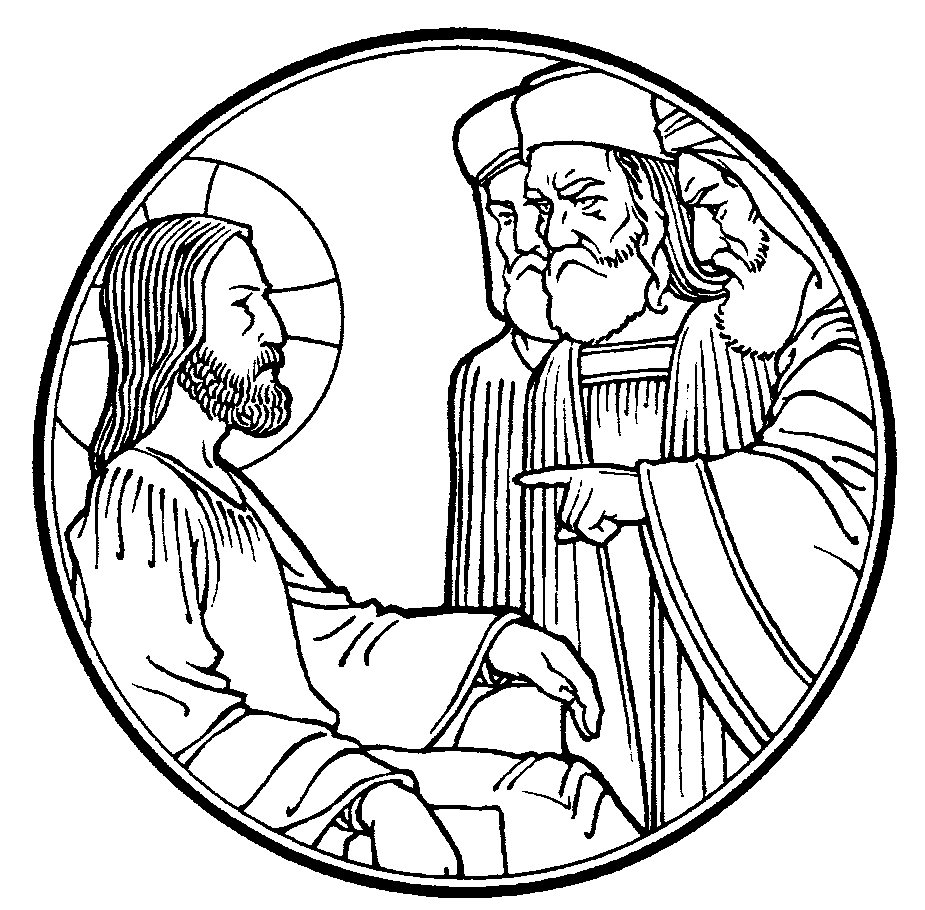
It was the day after Palm Sunday and the chief priests and elders of the people, were challenging Jesus’ authority to do the things that He was doing. “By what authority are you doing these things, and who gave you this authority?” Who did He think He was? Riding into Jerusalem like some kind of Messiah? Turning over the tables of the money changers and calling the temple ‘His house’ when He said: “My house shall be called a house of prayer, but you have made it a den of thieves.” Who did this Jesus think He was, walking around the temple and teaching the people as though He owned the place?

It’s a matter of authority. We tend to think of “authority” in terms of power. That’s true to a certain extent, but there more to it than that. Authority is actually referring to permission: permission granted by another to do certain things. So, the president of the United States is authorized by the people to be the chief executive officer of the nation. A judge sitting on the judicial bench has been permitted to judge cases. To have authority is to have permission from someone greater in order to say and do certain things in their name of stead. When I, as the pastor, forgive sins in the name of the Father and of the Son and of the Holy Spirit, I do so in the stead of our Lord Jesus Christ and by His authority. His permission. He approves of it, delights in it, recognizes it and stands behind it because He authorized it in His name.

We would be justifiably outraged, if someone simply assumed authority without having been duly authorized. If police knock at your door, they have to present evidence in the form of a badge and legal papers that they have the authority to search your house. Someone just doesn’t decide to be president or a judge one day and assume that office. It is the same with a pastor of a congregation. It is to be granted, permitted, in other words, authorized. That’s what a call, ordination, and the laying on of hands are all about. It is about good order, showing that a pastor in a place has been prepared, examined, and then authorized to perform the tasks given for him to do. That’s why we don’t just stand anyone up here on Sunday morning even if they could do a creditable job, or even a better job. If you decided to enforce the law and presented yourself as having the authority of a police officer, no matter how great the need or how good a job you were doing, you would be promptly arrested for impersonating an officer.

All of this lies behind the question of the temple authorities. They were like, “We have our credentials, where are yours? By what authority, do you Jesus, come in here and stir up all sorts of trouble? Who authorized you? Who sent you?” It’s a very good question, because had Jesus just been doing these things by His own authority as a man, it would have been bad. But there was something about Him that was different. The people were amazed at the words of Jesus, because He taught as one who had authority in himself. This was the key. He did have authority in Himself: not as a man but as the Son of God. He had the same authority as the Word of Holy Scripture, because He was the one who had caused the Scriptures to be written. He was the Word become flesh and the fulfillment of that Scripture. Jesus actually had the audacity to stand up before a crowd of people and say, “You have heard it said by the teachers of old, but I say to you.” No one dared speak this way. No one else dared turn over the tables of the money changers and sacrifice sellers, or criticize what was going on in the temple. It was contrary to God’s Word, but it had been going on under the authority of the chief priests and elders.

Jesus’ own words and works gave witness to His authority. Healing the sick, casting out demons, stilling storms, walking on water, casting out demons, raising the dead. These are the works that God does, and only one who is authorized by God could do these kinds of things. The miracles of Jesus were His badge of authority. Jesus also pointed them to the prophecies of Holy Scripture as pointing to Him and His authority. “You search the Scriptures because you think that in them you have eternal life; and it is they that bear witness about me.”

They all knew who He was. There was no one walking around Jerusalem who hadn’t heard about Jesus, least of all the religious leaders. John the baptizer and Jesus’ authority had been revealed ever since John’s baptism of Jesus, when Jesus was visibly and audibly approved by the descent of the Spirit and the voice of the Father. “This is my beloved Son with whom I am well pleased.”

The religious authorities would have none of that. They had refused John’s baptism. Why? John was calling them and everyone to repent of their false religion, their pride, their hypocrisy, their unbelief. Besides, they figured baptism was for proselytes, for those newly coming into the faith, not for them who had great blood lines, great power, authority, and were able to keep the law so well. It was an insult to their authority. Who did John think he was? And that’s precisely the point of Jesus’ question: The baptism of John. Where did it come from? Because it came from the same place of authority as Jesus. Until Jesus got an answer for that question, there would be no answer from Him.

They realized that their trap for discrediting Jesus now quickly swung back the other way. They realized there was no safe way to answer this question. If they said, “It’s from heaven,” they knew exactly what the next question was going to be. “Well, if it’s from heaven, why didn’t you believe him? Why did you refuse his baptism, if it came from heaven?” Their unbelief would be exposed.

They were aware that John was revered by the people as a prophet sent from God. So if they said that John’s baptism was from men, the crowds would turn on them. So they went that soft, say-nothing way of political correctness. They went agnostic. “We don’t know.” By the way, that’s what the word “agnostic” means – don’t know. John came preaching a baptism of repentance for the forgiveness of sins in preparation for the coming Messiah and the dawning of the kingdom of God and the best that the religious leaders can come up with is “we don’t know.”

When it comes to the question of who Jesus is and by what authority He comes, “we don’t know” is just not going to cut it. Unbelief is incredibly stubborn and it’s not a self-healing condition. It’s unreasonably resistant, which is why we cannot by our own reason or strength believe in Jesus Christ our Lord or come to Him. He must come to us, engage us, deal with us by Word and Spirit, baptize us, forgive us, feed us. He must break down those walls of skepticism, atheism, agnosticism, our darkened thinking, our stunted imaginations, our unwillingness to go beyond the realm of what we can see or comprehend. He must break through our own sense of authority over Scripture: picking and choosing which parts we like and which parts we don’t. Yet, the Lord breaks through all that using the authority of His Word to condemn your sin but to turn you to the hope given in His grace in Jesus Christ. He has the authority to take your sin upon Himself upon the cross.

As the perfect Son of God He could have come to judge the world. Instead He humbled Himself to be born as a human, He placed Himself under the authority of the Law to fulfill the Law for those who could not. He allowed Himself to be under the authority of men to be condemned to death upon the cross. He was using His own flesh to pay the ransom price for sin, so that He would then use His authority as the obedient, righteous, crucified, and resurrected one to free the captives to sin, death, and the devil. To break through unbelief, hypocrisy, and the ignorance of agnosticism by the overwhelming power of His Gracious Word to give us faith in these objectively true words: “you are forgiven your sins for Jesus’ Christ’s sake.”

You and I are still prone to questions that challenge God and who He is. The question that challenges Jesus’ authority in His Church and in our lives, when you and I think we know better than the Lord how to save us and how to deal with us.

Let us repent, and turn back to the Lord who is patient in His judgment. Let us return where Grace is given by His authority: to the font of Baptism, to the proclaimed Word of forgiveness, to the Supper where Jesus’ body and blood is served in faithfulness according to His teaching. You won’t get the answer to every question. You won’t have every intellectual itch scratched or every doubt addressed. But you will know this for a certain fact: Jesus Christ died for you, rose for you, reigns for you; lording His death and life over your sin and death. Nothing in this life can separate you from the love of God in Christ Jesus. God has laid His authoritative baptismal claim on you. He has justified you in Jesus, His Son, whom He sent with divine authority to be your Savior and to take away the sin of the world. That is why at the name of Jesus every knee should bow and every tongue confess that Jesus Christ is Lord, to the glory of the Father. In awe of His power and authority to judge but also in His overwhelming grace to save.

The Lord said through the prophet Ezekiel. “Why will you die, O house of Israel, For I have no pleasure in the death of anyone, so turn and live.

Trust the Lord of your Baptism and you will live. Jesus is authorized by the Father to save you, and He has done it. Today you have been forgiven for Jesus Christ’s sake through faith in His name under His authority. He will keep you steadfast in this Word unto life everlasting. May God ever keep us in that faith to trust this Word of hope in the name of Jesus Christ, Amen.

Pr. Aaron Kangas
The Price of Admission

Workers in the Vineyard
In this morning’s Gospel text Jesus once more told a parable describing the workings of God’s ruling as He said: “The kingdom of heaven is like…”   A man who needed some help in his vineyard and so he went to the market to hire some laborers. He hired some at daybreak agreeing to pay them a denarius, then went again and he hired some more about three hours later, some more about lunch time, and some a while after that. Each time he found men being idle, he hired them. Even into late in the afternoon, he kept on hiring even with only one hour left in the day. By the time they got to the actual vineyard they would have labored for almost no time at all. Then it was time to pay them all off. He began with those he hired last. Those workers who barely had time to get out to the vineyard before the sun went down received a full denarius, a full day’s pay even though they hadn’t worked all day. The other workers seeing this thought that maybe they would get more for having worked more, but they were shocked and upset to receive the same wage. It certainly does not seem fair to the workers who had put in more hours, who did work all day toiling under the heat of the sun. Yet, Jesus said that the kingdom of heaven is like this man who hired all these laborers paying them all the same regardless of the amount of work. The kingdom of heaven does not make sense from an earthly point of view. Regardless of when you are called to faith or come to faith, it is the same salvation, the same forgiveness of sins. You do not receive an extra portion of salvation for having been Christian the longest, nor for suffering the most trouble or persecution. To us it may not seem fair. “But we have worked for so long and so hard in your name, Lord.” But then again, our own salvation is not fair. The Creator of the entire universe took on human flesh, suffered, and died so that sinners could have eternal life. God the Father poured out the just wrath for sin upon His own totally innocent Son so that guilty sinners can go free. How is that fair? Even as the Son suffered on the cross for the sins of the world He turned to the thief and said, “Truly, I say to you, today you will be with me in Paradise.” A thief goes to heaven because the innocent Son of God suffered for his sin. Is it fair that Jesus’ suffering and death on the cross offers the same forgiveness, life, and salvation to the best of saints as well as to the worst of sinners? We might be tempted to think that God’s system of rewards is unfair. The conversation that the landowner had with the resentful laborers at the end of today’s parable warns us against that sort of thinking. It is a warning for those of us who have been believers all our lives. Satan will surely tempt us to think more highly of ourselves than we should. He will tempt us to believe that we deserve more power, glory, and honor because we have been Christians for a longer time and have in a sense labored longer than others in His vineyard, the Church. There is a place that continuously doles out things in fairness: fair punishment that sin deserves. That place is Hell. Hell is filled with people who the Lord went to the cross to save. They are there because they are getting what their sins deserved. They are there because in pride they rejected the gift of salvation which the Lord earned for them with His totally unfair yet merciful suffering and death. God does not want them there, but they insisted on an eternity that was fair, thinking they could be saved by works, by their own understanding without God’s grace. How thankful we can be that God’s salvation is not fair. If God were utterly fair, then we would all have to spend an eternity in hell for every slander, every adulterous thought, every jealous grumble, and every time anything or anyone has been more important than God in our lives. We might think our sins are tiny and unimportant, but one breaking of the commandments makes us guilty of them all. We can be so thankful that God is not fair. He gives a payment that is not based upon our labor but upon the generosity of His grace and the labors accomplished for us in Jesus Christ’s perfect life, crucifixion, and resurrection. It is because of His sacrifice that we are even able to enter the vineyard of the master so that we may live and labor in this life in His safety and peace by His forgiveness until the final judgment. As members of His Church we find comfort as we labor in His vineyard in faith, living in gratitude for His service and salvation to us. We do not live idle lives with unsure futures; we have the sure promise and confidence that we shall be given that denarius coin of eternal life at the end of time because the master has promised it. We may make mistakes, sin, then repent, struggling to remain faithful, but the Lord will come to our aid. He will refresh, restrain, retrain, and forgive. He does not judge according to the so called quality of our own work, merit, or labor, but gives grace to all believers, who live in Him, laboring for Him, by faith, in answer to His call. That coin which is promised is the merits of God’s Son, Jesus Christ, the forgiveness of sin won by Him, redemption from death and every affliction, His Holy Spirit, and finally eternal life with Himself in the resurrection of all flesh. God continues to search the marketplace of this world looking for workers for His vineyard. The Holy Spirit finds and calls people in the marketplace early in the morning when, as infants, He works faith in them through the Word combined with the water of Holy Baptism. He uses His Word through the witness of His people to find, call, and recruit people at different points in their lives, perhaps even the 11th hour, at the exhalation of the last breath before the sun goes down. No matter when that faith is received, the guilt of every sin is removed because of the Son’s sacrifice on the cross. By His resurrection and ascension, our Lord Jesus Christ has prepared a place for you. Whether your faith is old or young, you shall receive the gift of life everlasting for the sake of His unfair and boundless grace and generosity in Jesus Christ. The parable in today’s Gospel illustrates the unfair nature of God’s generous grace, but this is good news. No matter when we receive saving faith from the Holy Spirit, we all receive the same heaven, the same righteousness of Christ. From this parable we learn that while there is still breath, the Holy Spirit can still call, gather, and enlighten people to come to true faith through His Word and sacraments. This is a great comfort for those who come to faith later in life, perhaps committed many terrible crimes and sins. A great comfort for those who have loved ones who are not yet Christians or who have fallen away. There is yet hope for them as they share the Word of God. It is this Word of God which has the power to convert and bring faith. Here is also comfort is for you and me who daily sin much. There is hope for forgiveness, for renewal of faith in Jesus Christ. Therefore, we come to the cross and confess our sins, and for the sake of Jesus Christ, He forgives us, and allows us entry into His Church and restores us. He then gives comfort to His laborers throughout the heat of the day by feeding, clothing, and sheltering them under His protection in the shadow of the cross. That is why we gather here. Here He shades us with His presence, He serves us the cool refreshing drink of His Word to drink the wine and blood poured out for our salvation to feed upon the bread of life: His body. This makes us whole with Him and our fellow believers. This gives us strength in the heat of the day, to stand firm in Him and His Word against any temptation to despair, doubt, or grumble. Some may say “If God is gracious regardless of when I come to faith, why not enjoy life in dissipation and then become a Christian at the last minute?” Why not? Because no one really knows when the sun will set on their life. Sometimes death is the result of a long illness and there is time to prepare. But accidents and tragedy happen and sometimes quickly. Why not already live in His hope, in His forgiveness, His peace, prepared, and ready? God’s grace is for you now. As you labor in His vineyard fulfilling your vocations, have that confidence and knowledge that because of God’s generosity, for the sake of Christ, your sins are forgiven through faith in Him. Jesus is with us in this world. We are never alone. We have the privilege of talking to God in prayer at any time, giving Him our anxious cares, and then thanking Him for all His blessings as He come to us in His Word and Sacraments. The parable in today’s Gospel reminds us that sometimes it is good for us to be treated unfairly. The Lord promises to deal with us not according to our sins, but according to His great generosity, mercy, and love in the sacrifice of Jesus Christ our salvation. May He keep each and every one of us in that faith, in His service until He comes again in Jesus’ name. Amen. Pr. Aaron Kangas

And How Greatly Was I Forgiven?

Pay What You Owe
Pay What You Owe

15 years ago, on the 10th anniversary of 9/11 when I was pastor in the Bristol, TN/VA area, I saw on the marquee of a business, the words “Never forgive: never forget”. I think we have all heard the phrase: “Never forget” referring to that day of the infamous terrorist attacks which observed its 25th anniversary on Friday, and it is probably good to never forget that day…but “never forgive”? Regardless of the event or the harm caused by anybody or anything, the encouragement to “Never forgive” is a sentiment and advice that would certainly not be in line with Scripture. However, when people have been wronged or feel they have been wronged, our human nature has the tendency is to react with a “Never forgive, never forget” mentality. Or a I’ll “forgive” but I will still hold it against someone. Is it possible to forgive without forgetting? Is it possible to forget without truly forgiving from the heart? In our Gospel text for today Jesus warns, that unless we have mercy and forgive every brother or sister from our heart, we too will end up as the unforgiving servant in the parable, for he wound up unforgiven of his great debts to the king, languishing in prison because he had no mercy on one who owed him so little. Yet what seems impossible for us is possible with God through Jesus Christ.

In the last verses of Matthew 18 leading up to the verses for today, Jesus taught about the importance of rebuking our brothers and sisters when they have sinned against us and/or gone astray in some other manner. Why? Not for the sake of our pride or our hurt feelings, but that those who have strayed might come to repentance, be forgiven, and be restored to the church.
Our text continues for today with Simon Peter coming up to Jesus and asking a follow up question. He asked Jesus, “Lord, how often will my brother sin against me, and I forgive him? As many as seven times? But Jesus answered, “I do not say to you seven times but 70 and 7 times.” This number is symbolic, because what Jesus means is that there is to be no limit to forgiving your brother or sister in the church. No making a list of how many times you have forgiven a certain person or a certain sin.

Jesus told a parable to illustrate His point. Here on earth, men and women of the church are like the slaves or servants in the text. The king representing God, is not only our master, but the one to whom we owe our debt. That debt refers to sin, missing the mark of the Law.

That first slave owed the king 10,000 talents. A talent of gold, by the way, equals about 20 years of labor. That means it would have taken this servant nearly 200,000 years of work to repay. Obviously, he never could have paid the king back. He pleaded for mercy and despite the massive sum, the king does have mercy on him and declares his debt forgiven! Imagine how freeing such a burden might feel! Yet this slave meets a fellow slave who owed him the equivalent of 1 day’s wages: significant, but nothing compared to what he had just been forgiven. Look at his violent merciless treatment of his fellow slave: seizing him, choking him, and telling him that they must pay right then and there. When this one couldn’t pay back the debt immediately, that first slave took the fellow slave who owed so little and threw them into debtor’s prison. When the king heard that this had happened from the other now distressed slaves, He called that first slave before him and condemned him for not having had mercy as mercy had been shown to him. Therefore, that slave’s debt was reinstituted and he was thrown into prison until he could repay it, which he never would have been able to do. Jesus ends by saying, “So also my heavenly Father will do to every one of you, if you do not forgive your brother from your heart.” In other words, forgive or you will not be forgiven.

Those powerful words condemn the unforgiving and grudge filled heart. Why should one unwilling to forgive and forget anything done to them expect their sins and trespasses to be forgiven?

This parable that Jesus used serves to illustrate the literal results of our prayer in the Lord’s Prayer when we say, forgive us our debts, our trespasses, as we forgive those who are in debt or who trespass against us.

Probably each and every person here from the youngest to the oldest could right now tell in vivid detail at least one incident where they were wronged or hurt or betrayed in one way or another by somebody else. Yet, who of us can recall with as vivid detail all the times we were the ones who wronged somebody else, caused them pain? However, each and every one of us has most likely, at some point in their lives, shown cruelty, anger, and/or betrayal to somebody. We may have forgotten the effect of our sin on others, but we expect to be forgiven and allowed to move on. However, if we are on the receiving end of a hurt, we often hold a grudge against somebody until our pride or our hurt has been satisfied, until we are convinced that that person who wronged us is truly sorry and truly humiliated enough, then maybe we can forgive.

What is forgiveness? Forgiveness is literally: dismissing or releasing something from one’s presence. Forgiveness is to release from legal or moral obligation or consequence. Forgiveness is to let the matter go without concerning oneself about it any further. Is forgiveness conditional? It can be, as in the business world where a person agrees to pay back their debt or some of the debt while declaring bankruptcy.

But the true Forgiveness that Jesus is talking about here in Matthew and other places in scripture is unconditional forgiveness. It is forgiveness that forgives and forgets about it and moves on. It is of Grace, a gift that nobody deserves. It doesn’t forgive, and then bring it up all the time as a threat, “well remember how I forgave you that time?” It does not expect repayment except in gratitude lived out in love, joy, hope, and the other gifts which the Holy Spirit gives.

How can anyone receive this forgiveness when in the hardness of our hearts we continue to put conditions on other people, we continue to harbor within our own hearts anger, jealousy, bitterness, and malice? Perhaps our hurts are justified, suffering at the hands of others is a problem. But Jesus is not saying “just get over it”. It is possible that you have been greatly hurt in ways that can hardly be expressed in words, and perhaps the guilty party hasn’t repented, hasn’t apologized. But, does that great hurt give us permission to retain the sins of that person in our heart forever? No, if we hold onto it, it will continue to fester within us, so that we will never be happy, free, or able to show mercy to others in the fullness that should be.

Ultimately, we must recognize our own pride, our own sin, our own inability to forgive rightly. We must recognize that we are powerless to purge ourselves. We need God’s help to get passed it. Concerning our indebtedness to God by our sin and our lack of mercy and forgiveness to others we are bankrupt, and the debts we owe to God and others can never be repaid. Lord have mercy upon us! Let us confess our sins and throw ourselves upon the mercy of God in Jesus Christ, and He will show mercy and show it in abundance. Thank God He does not deal with us the way we would to others and as we deserve.

Instead, He sent His innocent Son to be a true victim: to be hated, to be scorned, to suffer without complaint as the perfect sacrifice for our sin. He died on the cross for our sins so that forgiveness may be offered and given freely to all those who understand their neediness and repent, even for those who have sinned against us. Through faith in Jesus Christ and the payment He made we are saved from the prison of Hell which our sins deserve. Through Faith in Jesus Christ, we are no longer in our sins, instead we are declared righteous and freed from the debt load of our sin though His grace and merit. God in Jesus Christ takes all the pains which we have inflicted upon others, and all the pains done to us to the cross and nails it there, so that you may be free in Him. In Holy Baptism we were washed in His blood and declared a new creation through faith, and in confession of sins and remembrance of our baptism, we are renewed in that Grace. Now God the Father sees us through the lens of His suffering Son’s death at the cross. Through Jesus, He sees us as His righteous children and gives us the hope of eternal life now and in the future. You are reconciled to your heavenly Father through Jesus Christ, be now reconciled to one another. He gives us the power to make that movement toward reconciliation, to confess our sins to one another, and to forgive one another in Jesus Christ as fellow members of the household of faith, to forgive and forget, to release from our minds the sins and wrong doing that others have done to us. For them we continue to pray unto the Lord and heap even more mercy and love upon them.

Let us in peace and unity give all our hurts and troubles unto the Lord laying it upon Jesus at the cross, receiving His forgiveness. Let us receive His healing forgiveness in His body and blood as He serves us the power to live in unity and peace in His Word and with each other. Here our bitterness is removed and we are renewed in charity and love for all people but especially our brothers and sisters in Christ.

We bask in the love of Jesus Christ for He has forgiven us, He has forgotten our sin, but He will never forget us. May God continue to renew our hearts and minds in Jesus Christ who is our Savior from our sins. In His name. Amen.

Pr. Aaron Kangas

Who is the Greatest?

Who Is The Greatest?
What makes a person great? When we humans think of the greatness of people, we usually think of accomplishments. We might think of great military minds or wise and just leaders of countries, of great orators and speakers, of strong and mighty men of valor, heroes who sacrificed themselves for others, maybe inventors, researchers, and explorers whose discoveries changed our world, or athletes who could run, jump, kick, throw, or hit greater than their peers or who performed at their highest level at just the right time, maybe you think of coaches or whole teams. Let us not forget about great entertainers, composers, vocalists, instrumentalists, painters, authors, or other artists, and the list could go on. But what about in the Church? Who is the Greatest there? The disciples wanted to know. “Who is the greatest in the kingdom of heaven?” They asked. Might it be a hero or heroine of the faith? Mary? Abraham, Noah, Moses, Ruth, Hannah, Jeremiah, David, John the Baptist? No, that is not what the disciples were thinking about, they were thinking about themselves. They were thinking about who would have the greatest honor and glory, the greatest power and authority in the coming rule and kingdom which they thought Jesus was bringing. It didn’t matter that by this time Jesus had told them not once but twice already that He as the Christ, Son of Man, would be delivered up to death and on the third day rise again. They were still thinking in terms of earthly glory, of earthly gain, they were still thinking as Simon Peter was in last Sunday’s text (16:23) in which Jesus rebuked him for thinking not on “the things of God but upon the things of man.” What is the response of Jesus this time? He doesn’t rant or rebuke, but He reveals the profound truth of what makes a man or woman great in the eyes of God. He called to Himself a small child, a “paidion”, in truth, a toddler. So, what are the qualities of a toddler? Have they accomplished anything besides a first step, gaining their first teeth, maybe saying their first words? Are they great orators, artists, geniuses, athletes, or heroes? Maybe someday, but not then, not yet. In fact, a toddler is awkward and prone to falling. A baby that still needs constant care. Those of you who have spent any time around toddlers know that they need more care and attention than a newborn. Not because they are so much more helpless, but because they are into everything and more likely to hurt themselves by grabbing things they shouldn’t, eating things that could be harmful, walking into traffic, falling, getting stuck. You name it. They are totally dependent upon their parents and the kindness and mercy of others. They need constant watching. They cannot defend themselves, they cannot provide food for themselves, they cannot take care of their basic needs, still not potty trained, they may fuss a lot. What kind of an accomplishment is that? Maybe greatness in the kingdom of heaven has nothing to do with accomplishment or even worthiness. Maybe that was the point that Jesus was making. Young children, toddlers, practically babies, are humble in that they are totally dependent upon the mercy of their parents. Unless the parents have proven themselves unfaithful and untrustworthy, little children depend upon their parents in totality and trust them completely to take care of them. They depend upon their parents not only to provide the necessities of life, but also to provide for teaching what is right and wrong, the truth about sin and righteousness, about God’s Word. They depend on parents to find that proper balance of providing without spoiling, of discipline without abuse, of teaching without misguiding. Jesus said: “Unless you turn, (that is: convert) and become like little children, you will never enter the kingdom of heaven. Whoever humbles himself like this child is the greatest in the kingdom of heaven.” This is the key to greatness in God’s eyes. It is not in earthly accomplishments, it is not in strength of arm, mind, or mouth, it is neediness. This means understanding and recognizing that you are dependent completely upon God and His mercy, His patience, His good graces and love to provide for you. It is He who provides not only for your earthly and bodily needs, but also for teaching you, guiding you, and providing for you forgiveness of sin, mercy, truth, and salvation. He has been faithful though we and all people have not been faithful. We like the disciples who wanted to be the greatest, are naturally greedy, self-centered, self-promoting, self-righteous ungrateful brats. We ungratefully take some gifts which God has provided but we want more. He comes to us to turn us from the danger of our sinful ways by His Word and His faithful ministers, but we often respond like naughty petulant toddlers who cover their ears and start singing or yelling loudly to drown out His voice. When something goes right, we might be grateful for a moment. Maybe when they have done something for us, we will think to thank our parents, or our spouses or teachers, but we may forget who it is who provided for us those parents, that spouse, those teachers, who works through them for our good. When something goes wrong, when our plans are dashed, when tragedy occurs, when life’s hurricanes come, we are quick to cast blame upon God. The world does this too. It forgets about God when things are good, but when evil arises they use it as an excuse for their unbelief: “If God is good or loving why does He let evil happen? They give no thought to the reality that calamities are a result of our sin and a sign for the world to turn and repent. It is God our heavenly Father who is our shelter and strength against the evil in the world, the evil of the devil, the evil within our own hearts and minds, and the calamities that come into this life. It is He who has provided a Savior and Good Shepherd to rescue us sheep who love to stray, naughty children who disobey, who sin and then run away. The only thing that we have accomplished on our own is sin and unbelief, of spoiling that which was unspoiled, by letting go of joy in the eternal hope of God’s love for the sad loneliness of the world which is but passing away. Cut out the temptation to sin from yourself, by converting, repenting, and recognizing that you are like a helpless child who has gotten into trouble and danger. Look to the cross and find hope and help in One stronger than you. A parent greater than any other. Stop running away from the voice of God in Jesus Christ. He has come to you, and he has provided for you the greatest gift in Himself. Jesus came to be the greatest by becoming the least. Though He was the Son of God, He humbled Himself to be born in human flesh as the Son of Man to be obedient to the Law in perfection because the rest of God’s children and creation were not obedient and were not perfect. He came to redeem us who were under the curse of the Law and under the threat of eternal damnation and punishment. Because of our accomplishments of sin upon sin, because of the times that we have failed to believe and teach what is right and true, because we have caused others to be scandalized by our behavior, we deserved to have a millstone around our necks and cast into the sea of hellfire, but He has loved us and it is not His will that you or me, one of His little ones, should perish. Therefore, Jesus died upon the cross so that your sins would be upon Him, so that you could become reconciled again to God your Father and creator by the blood of His Son, Jesus Christ. He has not despised you, but through water and His Word in baptism, He has brought you to Himself. He has washed you of your sins by the blood of His perfect Son and your Christ and redeemer, Jesus. For the sake of His Son, God the Father has made you His son or daughter. He has converted you and brought you back from your place of stumbling and condemnation by the repentance and forgiveness of your sins. You are now His child. Become great in Him. Great in receiving His gifts, His love, His kind and tender mercies which are new every day. Become great in being grateful to Him remembering and praising Him as He gives you not only your life now and the blessings of this life, but His grace for eternal life in His Son. Be great in faith, love, forgiveness, and service to your neighbor. But more than that, be great in being “needy” towards God knowing how much you need what He grants to you with Fatherly devotion. Therefore, gladly come and receive with thanksgiving the blessings of His Word and teaching here and in Bible Study. Through His Word, the Holy Spirit trains you by His strength to grow up in faith and understanding. Receive the Word made flesh in the body and blood of His Son, Jesus Christ in this Eucharist as we give thanks to Him and celebrate the victory which He has given by His loving death and resurrection. He has gathered us in His name and He is here with us coming to us in His Word and Sacraments. Our Heavenly Father will never spoil, abuse, or misguide you. He rebukes us when we need it, but only to lift us, love us, and comfort us with the good news of forgiveness of sins in the message of Jesus Christ crucified and raised. He loves you and gives you His power to live in His love reflecting that love to others. Bring your neighbors, family, coworkers to share in this, to be raised in this Truth and life. You are then by His gifts privileged to abide under the shelter of His Fatherly Hand protected from the harm of devil, world, or the condemnation of your flesh. Receive, believe, enjoy, be nourished, satisfied, and humbled to receive His blessings: His forgiveness and mercy in Jesus Christ. The Greatness of His love is accomplished in your salvation and by faith you will enter the kingdom of heaven and will dwell with Him forever for Jesus’ sake, Amen. Pr. Aaron Kangas

Deny Self?

Deny Self
Deny Self

In many ways today’s Gospel text is part 2 of last Sunday’s text from Matthew. Jesus had asked the disciples who people were saying Jesus was. The world did not know what to make of Him. Jesus then asked them “who do you say that I am?” Peter had answered with a profound truth: “You are the Christ, the Son of the Living God!” Jesus praised this confession and said that “He would build the church upon this rock, and the gates of hell would not be able to prevail against it.”

Although Peter identified Jesus correctly as the Christ, the Son of the living God, we heard today that he didn’t understand what that meant to be “the Christ”. As soon as Jesus began showing and telling the disciples what it meant to be the Christ, Peter actually rebuked Jesus! We were told in today’s Gospel that Jesus had told the disciples that He MUST go to Jerusalem and suffer MANY things, from the elders, chief priests, and scribes, and be KILLED, and on the third day rise again.

Peter who boldly spoke the truth moments before now boldly demonstrated that the disciples did not get it. Peter took Jesus aside and began to rebuke him, saying, “Far be it from you, Lord! This shall never happen to you.” That word “rebuke” means that He was trying to correct Jesus as though Jesus didn’t know what He meant. Peter was trying to correct the Almighty Son of the living God who lives … the one through whom all things were created. It is very obvious that the title “Christ” meant one thing to Jesus and something entirely different to Peter.

What Jesus had described was not the vision that Peter had in his mind for “the Christ”. He probably had hopes that Jesus would restore the glory to Israel in one way or another. I am sure that he had hopes that he and the disciples would get some of that power and glory as well. Why do you think we are told that the disciples were constantly arguing about who was the greatest in the kingdom of heaven, (as we will hear about next week)?

In a way, who could blame them? After all, the ministry of Jesus seemed to be unstoppable. He was a miracle worker. Great crowds were coming after them, even foreigners knew who Jesus was, yes, the Jerusalem elders didn’t like Him, but His power was great, the crowds were large, “surely,” the disciples thought, “this momentum would never swing in the favor of those who didn’t like Jesus.”

But Jesus didn’t commend Peter for rebuking and trying to correct Him. Jesus answered swiftly, and said, “Get behind me, Satan! You are a hindrance to me. For you are not setting your mind on the things of God, but on the things of man.”

This is our biggest problem as humans; we are constantly setting our minds on the things of man. What does that mean? It means that because of our pride, we are constantly trying to live for ourselves and the world. We want to take the easy way out of difficult situations. We would rather make friends with the world and be popular rather than speak the truth and risk rejection and anger. We don’t want to deny ourselves and the things that mean so much to us.

We talked to a certain extent about the topic of identity last week. What is the Christ? What is the Rock upon which the Church will be built? What is the Church?” When it comes to ourselves, we humans like to identify ourselves in the best way possible. We are proud. We don’t want to be told when we are in the wrong. Whether it is in the way that we believe or in the way that we live our lives, we get offended when we are challenged with the reality that we aren’t all that, when the Law of God identifies us as sinners. “What? No, the problem is with someone else. But everyone else is doing it! But this feels so good.”

The Law tells us otherwise. It shows us our sin. It condemns our laziness, it exposes our idols, our desire to serve our selfish flesh and become one with the things of this world which is passing away. The Church, the Christ, the way of true life is not the easy way of the sinful flesh.

Jesus says, shows the identity of a disciple and believer: to follow Him One must deny themselves, and take up their cross. In order to find their life, they must lose it. Don’t become friends with this world, “For what will it profit a man if he gains the whole world and forfeits his soul? Or what shall a man give in return for his soul?” Then Jesus said, “For the Son of Man is going to come with his angels in the glory of his Father, and then he will repay each person according to what he has done.”

These words don’t bode well for us. The true identity of a person, is seen in what comes out of their mouths and what is done in their lives. St. Paul in his letter to Romans identifies how Christians are to be. He says to abhor what is evil, to not be overcome with evil, to not repay evil for evil, to not be wise in our own sight, but to try to outdo one another with love and service, “Outdo one another in showing honor. Do not be slothful in zeal, be fervent in spirit, serve the Lord. Rejoice in hope, be patient in tribulation, be constant in prayer. Contribute to the needs of the saints and seek to show hospitality.”

How many of us are zealous for doing this good and doing this consistently in hope and patience? How many of us are abhorring evil, rebuking it in ourselves, and exhorting those around us in love? How many of us instead justify ourselves and others in their sin and misbelief just to keep ourselves comfortable?

Let us deny ourselves. Let us confess our sins to God and to each other. Let us crucify ourselves, and put to death out pride and admit our faults and that we do not deserve any grace or mercy.

That is why it is good news that “The Christ” defied common misconceptions. The Christ came not to serve Himself and receive laud and earthly honor. He came to save sinners such as us. For sinners, Christ Jesus took up His cross and defeated those things which so often overpower and threaten to overpower us. He came to defeat the adversary of Satan, to overthrow death, to reconcile us to our God and Father. To accomplish this, He took your sins with Him. He denied Himself and the glory that was due Him as the Son of God, so that the punishment which you, me, and all people deserved would be taken by Him. So that we don’t have to spend eternity in hell. So that Satan the great accuser cannot prevail against God’s people. The devil is always trying to sneer at God’s Word, and He is always trying to mislead us from God’s Word. Look how Satan used Peter who so recently made the good confession to try to tempt Jesus! So, he tries to do to you and me. But be not afraid. Don’t be wise in your own eyes.

Use God’s Word to rebuke the lies of Satan and His temptations! So, you can say by the Power of the Holy Spirit by faith in Christ who has overcome the adversary: “Satan you wish for me to live in fear and hate, you wish for me to live only in the moment of my flesh and temptation, you then want to condemn me in me my failures. But get behind me Satan! I am baptized into Christ! Christ Jesus has taken my sins, the very sins that I have confessed this day, upon Himself. He has forgiven me, and now His Spirit gives me faith and hope to confess: not myself, not my good, but Him, Jesus Christ! crucified and raised for my salvation and the salvation of all who call upon His name. Satan, you are defeated. Jesus Christ is our Redeemer. My hope is built not on me or my hopes, built not on the world, no my hope is built on nothing less than Jesus’ blood and righteousness. I am even now day by day, being built up on Jesus Christ, being served His love and forgiveness, being taught all His teachings which are the paths of righteousness. I am being made strong to confess Him in my life and with my words by His power, strength, and truth.”

Dear friends, this life is not always an easy thing, but Jesus Christ has gone before us and is with us now. He comes to you and His Church here to serve us so that can confess Him in His truth as He is: Our Redeemer and Savior.

Receive His grace and His gifts here in His Church. Live by Him and through Him and upon Him: for His death and resurrection is your victory. He is your help in every need. You are a Christian by baptism and faith by His redemption. And Satan cannot prevail against your Savior, therefore for His sake, He cannot prevail against you in Jesus Christ’s name, Amen.

Pr. Aaron Kangas

Who Do You Say That I Am?

The One Who Is
The One Who Is

Today’s Gospel text has several topics going on at once. Topics which intertwine but are difficult to fully unpack in one roughly 15-minute sermon. Topics such as Confession and Absolution, Who or what is the office of Christ? What is the Rock upon which the Church will be built? But of all of these we must start with the question: Who is this Jesus of Galilee? This is really the question that the Gospel of St. Matthew, as well as the other Gospels are trying to answer for the readers and hearers of the Word.

At the point of this morning’s text Jesus is about midway through His second year of earthly ministry, and since His earthly ministry began, Jesus had been showing by action and His preaching who He was, yet many did fully not understand even as they had been wondering. But as I said, there were clues.

It is true that John the Baptizer heard the voice from heaven declare Jesus to be “God’s beloved Son” but Scripture does not clearly proclaim that anyone else heard had this. Then we are told that after the Sermon on the mount the “crowds were astonished at His teaching, for He was teaching them as one who had authority, and not as their scribes.” Matthew 7:28-29 Then it was the Centurion in chapter 8 who first calls Jesus, “Lord”, and implied that Jesus is holy and has authority to heal or not.

When Jesus calmed the sea in the same chapter: the disciples marveled, saying, “What sort of man is this, that even winds and sea obey Him?” (8:27)

In the country of the Gadarenes the demons cried out “What have you to do with us, O Son of God? Have you come here to torment us before the time?” (8:29)

The Scribes in chapter 9 believed Jesus to be a blasphemer because He told the paralytic that His sins were forgiven before He healed him.

Matthew 11 John the Baptist sent His disciples to ask “Are you the one who is to come, or shall we look for another?” “The One who is to come” is a clue to what they mean and the term that Simon Peter ends up using.

In Matthew 12 Jesus declares: The Son of Man is lord of the Sabbath.” Hmm more clues. It is at this point that the Pharisees decide that this guy must be destroyed as a false prophet and demonic blasphemer who in various passages before today’s text make comments that “He heals and casts out demons by the power of demons”. They ask for a sign from heaven in chapter 12 and 16 but Jesus answers: “An evil and adulterous generation seeks for a sign, but no sign will be given to it except the sign of Jonah.”

He was an offense to His townspeople in Nazareth in chapter 13: They asked: “Is not this the carpenter’s son? Is not his mother called Mary? And are not his brothers James and Joseph and Simon and Judas? And are not all his sisters with us? Where then did this man get all these things? (55-56)

In Matthew 14:33, after the walking upon the water and coming into the boat, it is becoming much clearer for the disciples as we are told that they “worshiped Him, saying, ‘Truly you are the Son of God’.”

He was called Lord, Son of David; by the two blind men in chapter 9 and the Canaanite woman in Matthew 15.

That brings us to the question Jesus asks the disciples: Who do people say that the Son of Man is? The answer varies. The people seem to understand that He is at least a prophet of some sort. Then Jesus asks them: Who do you all say that I am? Now this is very important. How far have they come in their understanding? This is also important because Jesus had given a warning and a promise all the way back in Matthew 10 that “everyone who acknowledges me before men, I also will acknowledge before my Father who is in heaven, whoever denies Me before men, I also will deny before my Father who is in heaven.” (10:32-33)

And Simon Peter responds: “You are the Christ, the Son of the living God.” Here for the first time, Jesus is called the “Christ”, specifically. This means the “anointed one”, the Messiah. This was the “One to come”. Th is Christ was to be the Savior of the world, the one who would take the sins of world upon Himself as the perfect spotless lamb of God. To die upon the cross and rise again. Did Peter understand that that is what to be the Christ, the Son of the living God meant? Well not to spoil next week’s Gospel reading too much, but no, He did not fully understand what He was saying. But even He did not understand what He was saying, it was the truth and Jesus praises His Father who revealed this truth to Him. For when it comes to confessing rightly who Jesus is, it must come by the power of God’s revelation. Without God’s revelation by His Word and the interpreting power of the Holy Spirit nobody could understand or come to faith because of our sin and fallen nature. But thanks be to God who brings forth faith in us to believe and confess even if we do not understand.

Now let us speak of the Rock upon which Jesus the Christ will build His Church. Jesus uses a play on of words here in the Greek. Peter is “petros” which means a sizeable rock or boulder, a pillar cut from quarry. But the rock upon which the church is built is “petra” which in Greek usage meant a rock strata sometimes many feet thick that has large coverage, usually acres and even square miles in extent. The kind of rock that makes a great foundation.

What is this Petra in theological terms? Sadly, the Roman Catholic church would say, that Jesus is still talking about Peter, but that is not true. Jesus tells us earlier in Matthew who and what is the “petra” when He said: “Everyone then who hears these words of mine and does them will be like a wise man who built his house on the rock. And the rain fell, and the floods came, and the winds blew and beat on that house, but it did not fall, because it had been founded on the rock.” (Matthew 7:24-25)

The Rock is Jesus Christ, the Son of the living God. The Rock is therefore also His Word, His teaching. The confession of the Truth of God in Jesus Christ. Those who build upon this Rock are those hewn from the same rock and as such are those who pursue righteousness as stated in Isaiah as having their true beginning in Jesus Christ. These are they who live by faith in Him and are then petros or large rocks or pillars within the Church. Can a petros cut himself and form himself or herself? No. But it is God who uses the Law to cut and then the water of Holy Baptism to shape and conform us into the likeness of Jesus Christ and not the likeness of the world or the warping of our sinful natural old Adam.

Our bodies have been redeemed by the sacrifice of Jesus Christ crucified for sin. You have been baptized into His name so that by His Spirit you are called to “present your bodies as a living sacrifice, holy and acceptable to God, which is your spiritual worship”. As you study His Word, as you confess your sins and they are loosed in Heaven by the announcement of Holy Absolution by the authority of the Son of the living God, and given forgiveness of sins. Know that you are prepared as a member of His Church which Paul refers to as Christ’s body: Living, breathing, active in Christ, much as some rocks are shaped and formed differently to fit together better, so too does God use our various human talents and abilities to build up one another by His Spirit built upon His Word, built upon the confession of who Jesus the Christ is.

So, we proudly and boldly confess who Jesus is to our community. Even if the very gates of Hades try to topple it, even as we sang in our sermon hymn it looks like the church is not growing or it is being persecuted, it cannot be destroyed. Hell and Satan cannot succeed in overcoming or obliterating the Church. Because as long as you, me, and the Church continue to be faithful in standing upon Christ and His Word, as long as we confess Christ before mankind. We cannot fail. As Jesus said. “Heaven and earth will pass away, but my words will never pass away. (Mt. 24:25)

Receive the Sacrament of the Altar where you participate in Christ’s body and blood proclaiming Christ crucified until He comes in final triumph. Be strengthened, be made ready, conformed to Him, confessing, witnessing, being made and kept faithful, looking with joy to the cross, to Christ. As God spoke through Isaiah:
“look to the rock from which you were hewn, and to the quarry from which you were dug…My righteousness draws near,
     my salvation has gone out,
     and my arms will judge the peoples;
the coastlands hope for me,
     and for my arm they wait.
 Lift up your eyes to the heavens,
     and look at the earth beneath;
for the heavens vanish like smoke,
     the earth will wear out like a garment,
     and they who dwell in it will die in like manner;
but my salvation will be forever,
     and my righteousness will never be dismayed..”
for our salvation has been given to us by the forgiveness of sins in the name of Jesus Christ, the Son of the living God. Amen.

Pr. Aaron Kangas

Yet Even the Dogs

Even The Dogs
Even The Dogs

After the events of last week’s Gospel lesson, Jesus had continued His healing ministry. This raised all kinds of attention, and whenever Jesus got a lot of attention, the scribes and Pharisees soon showed up to give Jesus a hard time.

Today’s Gospel tells us that Jesus left this area and headed into the Gentile countryside near the Mediterranean Sea towns of Tyre and Sidon.

When you are in a Gentile territory, you expect to meet Gentiles. Sure enough, a Canaanite woman approached Jesus for help. Matthew specifically records that she was a “Canaanite”, a term which they wouldn’t have used in common speech. The word Canaanite reminded his readers of the pagan inhabitants of the land pre-Israelite conquest. The people who the Israelites were supposed to eliminate because of their wickedness. This highlights the fact that to the Jewish mind this Gentile woman was unclean, her daughter, was unclean, she was considered less than a Samaritan, and completely unworthy.

Now, although she is a “Canaanite” Gentile, her cry for mercy is an incredible expression of faith. “Have mercy on me, O Lord, Son of David; my daughter is severely oppressed by a demon.”

She began with the words that we know as the Kyrie, “Lord, have mercy upon us.” These words are a cry to the Lord for help and strength. In ancient times, the crowds would shout “Lord, have mercy” as the King entered their town. The church has taken over this prayer to greet its King Jesus Christ in the Divine service. In fact, we just sang it! As the people so long ago hoped for help from their King, so we Christians hope for and expect help from our Savior and King. The words of this Gentile woman show that she recognized Jesus as royalty who had the power and authority to help her in her time of need.

She even referred to Jesus as the “Son of David.” With these words, she confessed her faith that Jesus was the Messiah, the Christ, the anointed one of God. With these words, she demonstrated that she has a better handle on who Jesus is than most of the good clean Jewish people of Jesus’ day did. This Canaanite woman has given us a most beautiful way to begin any prayer in time of need. “Lord, Have mercy! O Son of David!”

After the woman confessed her faith, she stated her problem. “My daughter is severely oppressed by a demon.” Notice that she simply stated her concern to Jesus. She did not tell Jesus what to do about the situation. She trusted Jesus to come up with the solution that was the best for her daughter and for her.

Right here, we can learn a lot from this woman. When we ask God for help, how often do we dictate to God and tell Him exactly how He should help us? Instead of relying on the infinite knowledge and perfect wisdom of God, we often tell God exactly how and when He has to help us. This woman simply expressed what was on her mind and simply relied on Jesus for the best answer to her prayer.

So, how did Jesus respond to this marvelous prayer? He did nothing! He ignored her. This is one of those times that puzzles the reader from our western culture. Just a few paragraphs earlier in Matthew, we read about the “Feeding of the Five Thousand.” In that account, Jesus had compassion. That’s the Jesus we remember … the Jesus who had compassion. Who is this Jesus who ignores this woman in her need … especially when she prays such a beautiful prayer?

Actually, for the moment, Jesus was acting as the culture in His day expected Him in order to teach. This woman was after all a Gentile and she was, well, a woman. In the culture of that day and that place, these were two reasonable reasons for Jesus to ignore this woman.

The only thing is that this woman would not give up. Although Matthew only records the words of the woman’s prayer once, He makes it clear that she repeated these words continuously. The constant repetition started to get on the disciples’ nerves. They too, began to pray for the woman, although for entirely selfish reasons. “Send her away for she is crying after us!”

Jesus’ answered: “I was sent only to the lost sheep of the house of Israel.” This reply shocks our 21st century, American ears, but at the time of Jesus, the Pharisees had convinced most Jews that salvation was only for the Jews. In the book of Acts and the letter of St. Paul there were conflicts with people insisting that a person had to become Jewish before they could become a Christian. However, one of the many themes in Matthew’s account is the theme that the Gospel is for BOTH Jews and Gentiles alike and the main identity you need is faith in Jesus Christ regardless of your blood line. You do NOT have to be a Jew before you can become a Christian.

No doubt, the woman overheard Jesus as He rebuffed the disciples. Instead of giving up, she dropped to her knees before Jesus blocking His path and continued to pray to Him.

Jesus spoke directly to the woman, “It is not right to take the children’s bread and throw it to the dogs.” Wait! Did Jesus just call this woman a dog? Yes, He did. And it was just as insulting back then as it is today. Many preachers try to take some of the sting out of what Jesus said. They will say that Jesus meant a cute, little dog … the family pet, if you will. But it just doesn’t work. Jesus said that because the woman was a Gentile, she was a dog. This very well may have been what the disciples and other Jews thought of her, but Jesus was saying it to magnify her faith to the disciples.

Our culture today is so quick to take offense. We hear, “I don’t like it,” “It bothers me,” “I disagree with that,” “You are just a hater,” and so forth. How would a woman in today’s western culture respond if Jesus called her a dog? It sounds like a good excuse for a lawsuit to me.

Never the less, how does the woman respond in today’s Gospel? She said, “Yes, Lord, yet even the dogs eat the crumbs that fall from their masters’ table.” Yes Lord! If Jesus says that I am a dog, then I am a dog. Whatever Jesus says, no matter how offensive or ridiculous it is, it is the truth. If Jesus says, “I am the way, and the truth, and the life. No one comes to the Father except through me,” then that is the truth. If Jesus says, “Those who are well have no need of a physician, but those who are sick. I have not come to call the righteous but sinners to repentance,” then that is the truth.

You see, when Jesus describes us using terms that are offensive to our ears, He is saying that we are qualified to receive His salvation. The Apostle Paul demonstrates His understanding of this when he wrote to Timothy: “The saying is trustworthy and deserving of full acceptance, that Christ Jesus came into the world to save sinners, of whom I am the foremost.” (1 Tim1:15) Here the Apostle Paul is doing the same thing that the woman did. If Jesus says I am a dog, then I am a dog. If Jesus says I am a sinner, then I am a sinner. Christ died for those who would normally be an offense to God. The comfort in knowing that you are a sinful dog is knowing that Christ died for you and your sin.

Jesus answered the woman, “O woman, great is your faith! Be it done for you as you desire.” And her daughter was healed instantly. Here we see that this whole exercise has been to contrast the faith of this woman, who admitted she was a sinful dog but in faith sought help from Jesus, with the pride and unbelief of the scribes and Pharisees, who thought they were righteous by their works and needed no help.

Here, in this Gospel account, we see that it is those who admit that they are offensive before the Lord … those who confess that they are poor miserable sinners … those who confess that they deserve temporal and eternal punishment, that they deserve destruction for the wickedness of their sin… those who confess that they have loved themselves more than God … those who confess that they have exploited their neighbors whom they should love … It is these who admit that they are helpless, weak, possessed by the devil and the flesh by their sin, but come to Jesus their Lord for mercy and help in faith and hope… These receive the healing forgiveness that the Lord earned for them with His holy life and His innocent suffering and death on the cross. These are the ones who know that the resurrection of our Lord carries the promise that they too shall rise from the dead and live a new life with Him forever.

This promise of forgiveness, life and salvation is for you as well, through faith in Jesus Christ your Lord and Savior. He hears and answers your prayer even if it is not when or how you have hoped He would. He gives you faith to believe and receive His strength. He feeds you more than crumbs though we deserve nothing. He gives you His body and blood, His grace and mercy of Jesus Christ crucified and raised for your eternal salvation!

What a blessing that this gift of faith is to all who believe. He has redeemed you and me by the forgiveness of sins in Jesus Christ. Jesus is truly merciful and because of His merciful sacrifice He will continue to comfort you with His Word and His gifts. God is so gracious that even though we confess that we are offensive, sinful dogs before Him who deserve nothing but scraps, He calls us His children who are forgiven and made holy for Jesus’ sake. Not only that but He promises to seat us at the family victory table in His kingdom where we shall rejoice forever in the presence of God the Father, Son, and Holy Spirit. Amen.

Pr. Aaron Kangas

At Wits End

Save me
Save me

Have you ever felt terrified? I mean like so terrifying it was like you felt like you or a loved one had a near death experience. You probably had absolutely no control of the situation and the outcome was completely in doubt. That lack of control is really what made the whole situation that much more terrifying, wasn’t it? Because you did not have the control you desired, you could not tell if things would work out or not. This can bring terror, worry, and anxiety. In this morning’s Gospel text, the disciples were also terrified, but they made it safely through it all, because someone else was in control.

This morning’s Gospel text picks up right where last week’s reading left off. Jesus had heard that His cousin John the Baptist had been put to death and had been on His way to be alone so that He could pray, but the people heard where He was going and got there before He did. He had mercy on them, healed their sick, and then we are told He performed the miracle of feeding over 5000 people from 5 loaves of bread and two fish.

Our text begins with the word immediately which is repeated 3 times in this section of the Gospel of Matthew. Immediately He makes the disciples get in the boat to go before Him to the other side. Meanwhile Jesus deals with and dismisses the people and finally gets to the mountain and begins to pray and meditate on the Ministry that lay before Him.

While Jesus was praying, the disciples had traveled to about the middle of the lake, but trouble had overtaken them. We are told in the English that the disciples in their boat were being beaten but in the Greek it uses a word that means tortured or tormented βασανιζόμενον. So the disciples were in their boat being tormented… by whom and for what purpose? Well, our text says that it was because the wind was hostile to them. The wind and the waves are described as though they have personalities. You may now be getting the sense that the disciples are not just battling against regular storms and seas, but these are as though they are being confronted by demonic and spiritual forces. Although the Israelites knew that nature was a servant to God and subject to Him, the weather and the location represent spiritual battle and the threat of the devil and the world which so often would terrorize us with power and situations outside our control. The sea for example was seen by the Caananite people as the realm of a god named yam which actually was their ancient word for the sea. They believed that the sea was an area that belonged to that of the demons and the keeping place for the dead. Even the Greeks spoke of the river Styx as being the place of the dead, the separator of this world and the realm of those who died. So the disciples are seemingly caught and struggling between getting to their destination of the shore and fighting forces stronger than themselves, forces that are overwhelming them physically and emotionally, that would have them give up and sink in the deep. Their efforts are not enough can not help themselves.

The very next verse we are told that Jesus then at the fourth watch of the night, sometime between 3 and 6 in the morning, came to the disciples in the middle of their distress. How does He come to them? By walking upon the same sea that is tormenting them, treading upon the dark places, the forces of evil, for they have no power over Him. He is the creator of all with the Father and the Spirit.

The disciples do not recognize Him at first nor do they recognize the comfort it should have given, instead they think He is one of those dead, a ghost, or a demon and they become even more terrified than they already were. They thought they were cursed, they were dying, they were going to be destroyed soul and body by some spiritual being. But “immediately”, there’s that word, immediately Jesus called out to them saying…, “Be of good cheer?” Does Jesus really just say cheer up, fellows? No the Greek says θαρσεῖτε which literally means “Be Couragified” or “be encouraged”. He commands and blesses with His Words fully expecting that they would be encouraged. Why should they receive courage? Jesus said “Be Couragified because ἐγώ εἰμι, that is, “I am”, so don’t be afraid.” I don’t know if you caught it, but Jesus used the old testament term for God Almighty, Yahweh, the great I AM. This why the disciples needn’t fear, their God and Lord is coming to them, the same who has come to destroy Satan and hell, to dismiss and forgive sins. The one who has ultimate control, the storms and seas must answer to God and be still, yet before the storm is stilled while it is still raging, Peter calls out, “Lord, if you are… command me to get out of the boat and walk to you.” Here Peter is actually testing Jesus, if you are who you say you are then you will do this. So often when Jesus was challenged in such a way during His ministry by those determined not to believe like the pharisees demanding a sign, Jesus would refuse. Here, however, is Peter, weak and wanting to believe, therefore Jesus has mercy and gives him something to believe in and says “Come”. Peter becomes courageous and comes out and walk for a bit, but then he did take his eyes off of Jesus and looked at his surroundings and doubt filled him again and down he went as though he were being swallowed up by unbelief and the power of the devil, but Peter looks to Him who saves and says, “Lord, save me!” Immediately, Jesus is there, grabs Peter and rescues him, saying “oh Little Faith one, why did you doubt?” When Jesus and Peter entered the boat, the storm, wind and sea ceased its tumult and everyone believed and worshipped Jesus confessing that He is the Son of God.

Dear Friends, this Gospel text is not just a nice story, a fairy tale that has no application to you or me. This occurrence happened and was recorded specifically for you, me, and all who would believe. The storms and wind and wave continue to batter and torment us in the lives of people because as long as there is sin in this world, as long as there is time and Jesus has not yet returned to judge the living and the dead, the devil, the world, and even human flesh continue to foam and rage against the boat carrying God’s people. This boat represents the Church. That is why so many churches have been built so that the roof looks like the bottom of a ship. That is why the area of the church building where we gather is liturgically called “the nave”. This comes from the Latin for ship. It is only in this ship/the Church that people are able to be saved and rescued from the spiritual torments that assail them during their earthly lives. This ship is like the ship which Noah built as commanded by God to save him and his family from the coming flood. Unlike Noah’s boat, the Church is built upon and with the very body of Jesus Christ who has overcome the Devil and has taken away the sin of the world, through His own sacrifice at the cross. Through the washing in Holy Baptism by the blood of our Savior, Jesus comes to His people, rescues them by His cross and empty tomb and invites them to, by faith, Come to Him and see that they too can walk upon and overcome the depths of Hell, doubt, and despair as they keep the eyes of faith upon Him.

When evil befalls us, and we become afraid. Perhaps we fear that God has left us, that He has left us out in the middle of the sea to drown and be tormented on our own. The terrors that come to torment us come in many forms, but they all attack us in ways that undermine our faith individually and try to wear us down and make us give up hope. These same terrors slam against the sides of the good ship, Mother Church, as if they could destroy the Church, but it cannot. Instead the purpose of Satan is to unsettle the minds of people so that they become slaves to fear and “abandon ship” thinking that it is sinking when it is those controlled by fear who sink deeper and deeper into the waves of despair, fear and doubt, when they see only the wind and wave, when they see only doom and gloom.

But here is your hope and mine. Despite our terror, our fears, our worries which are all truly spiritual. Though we seem to be sinking or that the ship around us is cracking. We cry, Lord, save me! And IMMEDIATELY he does. He comes to us, and says couragify, be of courage, have courage, because I AM. I AM the Lord your God and I have redeemed you and I love you. For the sake of Jesus Christ, your sins are forgiven. He grabs us choking and sputtering and brings us back to Himself, to the cross, to the empty tomb, to the table where His body and blood are given for us to eat and to drink that we may be united once again with Him. Be of courage, I have conquered all. Do not be afraid, because I am here with you spiritually and physically. Then as we may still be weeping, He reminds us of the hope that is ours, the hope that not only will He take care of us and defend us here in this life, but that we shall receive a real and permanent place of peace and safety when we are brought to our the shores of our heavenly home. There the seas of eternity will always be placid and calm for sin shall no longer have dominion. We shall live forever in the glory of God for eternity, soul and body in the joy of our Lord who has saved us and declared us righteous through faith. Now let us always remember that in this life, through faith in Jesus we have hope, love, joy, and may always by His Power be courageous. In Jesus name. Amen.

Pr. Aaron Kangas

A Feeling in the Gut

Loaves And Fishes
Loaves And Fishes

In today’s Gospel we are told that Jesus had compassion on the crowd as they came to Him in the wilderness. It is that same Greek Word from Matthew 9 which I preached on back on June 14. He had a deep visceral pain deep within Himself for the sake of the people; this time it is because they left all that they had to come to Him once they heard where He was.

Why is that significant? Because Jesus could have told them, “not now. I am grieving.” I need to time to pray and reflect upon what awaits Me. Why was Jesus grieving? The verse immediately preceding today’s Gospel reads: “And his disciples came and took the body and buried it, and they went and told Jesus.” The body belonged to none other than John the Baptizer. Then in today’s Gospel, “Now when Jesus heard this, He withdrew from there in a boat to a desolate place by Himself.” But any grief He had, anything else He may have been thinking took a backseat when He saw the crowds from the towns around coming to Him with their sick and their desire to hear Him preach. So He had mercy and He served by healing and preaching as the day wore on. At the end of the day, the disciples wanted Jesus to dismiss the people to go buy their own food. But Jesus would not unceremoniously and callously dismiss them. Why?

In Matthew 6 Jesus in the sermon on the Mount said this: “Therefore I tell you, do not be anxious about your life, what you will eat or what you will drink, nor about your body, what you will put on. Is not life more than food, and the body more than clothing?… “if God so clothes the grass of the field, which today is alive and tomorrow is thrown into the oven, will He not much more clothe you, O you of little faith? Therefore, do not be anxious, saying, ‘What shall we eat?’ or ‘What shall we drink?’ or ‘What shall we wear?’ For the Gentiles seek after all these things, and your heavenly Father knows that you need them all. But seek first the kingdom of God and His righteousness, and all these things will be added to you.” (Matthew 6:25, 30-33)

The crowd of people came to Jesus having been led by the Holy Spirit to seek first the kingdom of God and His righteousness. They heard Jesus was there and rushed to Him who is the kingdom of God in His righteousness in one person. They left their homes to go into the wilderness to Jesus before worrying about their suppers that evening. Therefore, Jesus said, “They need not go away; you give them something to eat.” This last remark to the disciples was Jesus telling the disciples that the massive crowds were following His words better than they. It reminds me a little of that account of Mary and Martha in Luke’s Gospel, where Jesus said. “Martha, you are anxious and troubled about many things; one thing is needful. Mary has chosen the good portion, which shall not be taken away from her.” (Luke 10:41-42)

By faith they came out into the wilderness to Jesus to be fed spiritually the bread of life through their ears by His Words from He who is the bread of life come down from heaven. Jesus and the Heavenly Father knew that even as they hungered for the Word of God, they would also become physically hungry, therefore He already knew what He would do. He would not turn those who came in curious faith empty away, and certainly not with empty stomachs.
Jesus took the 5 loaves and 2 fish, had the people sit down on the grass, took the food, blessed it, broke them and gave them to the disciples to distribute them. The people ate until they were satisfied. There were 12 baskets of leftover food fragments, and there had been 5000 men there not counting women and children. In other words, there many thousands of people.

We could ponder upon every detail in this text for its great significance and meaning and be rewarded. So what do we focus on in this account? The fact that He had them sit on the grass? Sure. The fact that Jesus as the Son of God was able to feed thousands with only two fish and 5 loaves of bread in the middle of a wilderness? Yes. The fact that Jesus blessed the food before breaking and distributing? Definitely. The fact that the people came out where they were to be gathered around Jesus? I think so. Jesus having compassion and mercy? For sure. That seeking God’s righteousness by trusting and living by faith means valuing above all else the Word of God and His presence? Absolutely! The fact that God in Jesus Christ satisfies both body and soul, that He provides more than is needed? And with that ponder the significance of the 12 baskets left over? Yes. Yes and Yes.

The wilderness, is a biblical image and symbolizes spiritual isolation, temptation, and trial. It represents the world and its wearisome troubles where true spiritual food and drink are scarce. Yet in the midst of the wilderness comes our Lord. He comes to gather, protect, feed, and lead. As the Pillar of fire and cloud led Israel out of captivity in Egypt through the wilderness feeding them with manna and quail, so Jesus who was that OT pillar gathers and leads His people through the wilderness and temptations of this world; temptations to eat what is not good and be consumed by the animalistic lusts of the flesh and fall into spiritual death. Jesus is the Good Shepherd who has His sheep lie down in good pasture as upon the grass of the wilderness. He has compassion for them as they struggle with the plagues of this sin filled world. He feeds them and gives them life and strength for the journey home.

And this whole flock of believers is represented by the crowds that came to Jesus that day because they did what all true Israel does, and that is listen to the Word of God and flee to where He is. They hearken to the voice of God in Jesus Christ as He calls out in Isaiah: “Listen diligently to me, and eat what is good, and delight yourselves in rich food. Incline your ear, and come to me; hear, that your soul may live; Behold, I made him a witness to the peoples, a leader and commander for the peoples. Behold, you shall call a nation that you do not know, and a nation that did not know you shall run to you, because of the Lord your God, and of the Holy One of Israel…” This flock, this true Israel shall be and is made up of many nations. Which is why we even today, in the Church must ever be on our guard. We do not believe in once saved always saved. As St. Paul said in today’s Epistle “not all who are descended from Israel belong to Israel, and not all are children of Abraham because they are his offspring.” So too we are not saved because our parents or relatives were believers. We are not saved because we come to church when it is convenient.

We are saved because the Good Shepherd, Jesus Christ has had compassion upon His people and yes even for the world. He died upon the cross paying the total price for the sins of all people throughout time. His mercy is superabundant, but sadly many people reject it. Even many who call themselves Christian do not value this sacrifice. There are even times where you and I have not valued it. We have allowed our attention to turn from the voice of our loving Redeemer and hearkened instead to give priority to the cares of the world and our anxieties as we struggle with trusting God and seeking first the kingdom. In this and many ways we have sinned, and we must repent.

Take heart, Jesus has compassion upon you. He died on the cross for your sins, and as you repent and hope by faith in Jesus Christ know that you are given forgiveness and His righteousness once more. He calls and gathers by the Ministry of His Word and Sacrament you and people of every generation. He converts you even as He baptized you and declared you His own. Do not run from Him and He will bring you safely to heaven. If you fail and sin, return to your baptism, repent and be absolved in Jesus Christ, for He is quick to forgive and slow to anger. The basket of fragments reminds us that none of those who believe will be lost or forgotten by our Lord but will be gathered together with the whole Church.

Where will the whole church be gathered? Around Christ. Around Him crucified and raised, in eternity, but even here on earth where He continues to speak, to heal, to feed. To the place where the Bread of Eternal life for body and soul is distributed. Where the bread is blessed and Christ’s body and bread are given along with the quenching drink of His sacrificed blood in the wine. This we drink for the forgiveness of sins, for the strength of our faith, for the preparations of these weak bodies for eternal life. This is a feast of victory because of what He has done for us in His death and resurrection. It is a promise that He will be with us in the troubles of this life, that He will not leave us, nor turn us hungry away. And dear friends know that He cares about our whole self. As we continue to look to Him for salvation, mercy, and help by faith, He will help and provide for us spiritually and physically because He loves us and continues to have compassion with and for us.

We rejoice in His salvation and ongoing providence of body and soul. We are eager to listen to His Words, and receive with ears and mouths that which He gives for our good and our salvation. Let us delight in the rich food of forgiveness and life He gives of Himself in Jesus Christ, and having eaten the food given freely and having drunk the water and wine without price, let us be satisfied in Him so that our souls and bodies may live forever with Jesus Christ our Pillar, our Good Shepherd, and Redeemer. Amen.

Pr. Aaron Kangas

Buried Treasure

Buried Treasure
Buried Treasure

The idea of discovering buried treasure has sparked the imagination of countless men and women, boys and girls for many generations. The thrill and adventure of hunting for buried treasure is present in many stories and movies. It is present in the movie Goonies, Treasure Island, the Count of Monte Cristo, and even in the Adventures of Tom Sawyer by Mark Twain.

Why would anyone bury their valuables? How common was that? Well the hiding of valuables by burying them was actually rather practical. Things that are buried outside the home in a less than obvious spot are less likely to be seen and stolen by thieves and robbers than that which is left in the open. In a time of war, the side that is getting ready to flee hides their belongings hoping to keep them safe until they are able to return.

In 1987, three families inspired by tales of sunken steam boats, looked for and found the remains of a steam boat named the Arabia. It had sunk in the Missouri river in 1856 loaded with enough goods and supplies to outfit several general stores in the Kansas Territory to help open the west to settlement. They found the steamship in a corn field half a mile from the current course of the Missouri river and 45 feet down under the water line. The families pooled their resources, took out massive loans and began to excavate the boat and its treasures. What they found was a time capsule of how people lived in 1856, because many of the artifacts were perfectly preserved in the oxygen depleted mud. After millions of dollars spent to dig up the Steamship Arabia, instead of selling off the very valuable treasure, they set up a museum in Kansas City so that other could people come and see the priceless treasure and learn from its historical value.

In our Gospel text for today we heard of a similar account of a treasure hidden in a field. We also heard two other parables as Jesus concluded the last of His seven parables describing the Kingdom of heaven.

The last few Sundays we heard parables that compared the kingdom of heaven to agricultural models. Today, Jesus turns our attention to another aspect of the Kingdom of God which is God’s ruling and working of salvation.

The first parable says the kingdom is like treasure. It is valuable and wonderful, like treasure buried in a field. Why would it be buried in a field? It is buried in a field because the treasure of God, His Grace, His Mercy, His Love and forgiveness is a precious mystery that can only be revealed to the world by faith through the revelation of the Word of God in Jesus Christ. This profound love of God is revealed in what seems to be the most unlikely of places therefore it seems hidden. It is hidden to the eyes of reason, the eyes of pride, the eyes of those driven by earthly lusts, because the mystery of God’s priceless treasure of love, mercy, forgiveness and salvation are made known through the humble suffering and death of Jesus Christ on the cross. That which seems like non-sense to many in the world is actually the greatest treasure as well as the most precious pearl, the pearl of great value. Therefore, the world walks by it or lives around it without taking notice, but there it is in an open field which represents the Church with its teachings and sacraments. It is available to all, but only some are drawn to its richness and understand by faith its value. Therefore, the man in this parable and the parable of the pearl are like anyone who comes to faith; who comes to an understanding and trust in Jesus Christ as their Lord and Savior from their sins. They go by the Spirit and sell all that they have, that is they go and get rid of all of the valuables of this world forsaking their previous sinful ways and the priorities and so-called wise philosophies of this world in order to possess an even greater treasure. It may seem as though the man or men in these parables are redeeming the field and the pearl by the sale of their earthly possessions, but in reality, they are the ones being redeemed. It is they who now belong to the treasure and the field which houses such a treasure. Now they and all who come to the knowledge of Jesus Christ as their Savior live a life of repentance and faith as they wait and hope upon the Lord.

But none of that is possible unless we understand the primary way to understand this parable. The men in the treasure and pearl seeking parables actually represent God. God who sees you, me, and other believers, He even sees unbelievers as precious treasures buried under sin, unable to free ourselves, buried like dead bodies. God then redeems the world by selling all He has. He sends His Son, Jesus Christ to pay the redemption price through His suffering and death, so that you, me, and all sinners could be redeemed and delivered from the cold earth of our burial chambers. So that He could glorify us as His children and possession through the salvation of His Son.

In our Old Testament reading God says to Israel and His New Testament Church: “You are a people holy to the Lord your God. The Lord God has chosen you to be a people for His treasured possession…It is because the Lord loves you, that the Lord has brought you out with a mighty hand and redeemed you from the house of slavery.” In Romans, we hear, “For those whom he foreknew he also predestined to be conformed to the image of his Son, in order that he might be the firstborn among many brothers. And those whom he predestined he also called, and those whom he called he also justified, and those whom he justified he also glorified.”

We have been called to repent of our sin and come to the cross of Jesus Christ as our greatest treasure for salvation, but it is God who first did the treasure hunting. God saw us and all the people throughout history and had mercy upon us. For whatever reason, despite our sins, our warts, our filth, the wormy mud and gook of our sin caked upon us and our decomposed dead in sin flesh. God still saw us as a treasure worthy to be redeemed, worthy to be loved and valued. Therefore, God did send forth His own Son to be humbled and born in human flesh. He did what we could not, He lived the perfect life of obedience so that He could receive in His own flesh the complete and total punishment for the sins of the world as He suffered and died upon the cross to make atonement or payment for the price of sin. In this way, the sins of the whole world were paid for. Jesus then was raised from the dead to show the hope of life everlasting for those who believe. He ascended to prepare a place for believers, but also to send us His Holy Spirit in His Word and so that by His God-head He would be with us in His sacraments. We are brought forth, excavated from the grave, and washed of sin in holy Baptism and by the Holy Spirit, we shine and are clean because we have Christ and His righteousness put upon us. Now we are accounted by faith in Jesus as God’s treasure even as Jesus was and is our treasure. Now we receive more richness of His Love as He continues to shine and polish us through our lives, leading us through each difficulty, teaching us in His Word and receiving forgiveness when we are brought back to repentance and here to receive the very body and blood of Christ. Now we shine out and declare the glory and mercy and love of God to each other and our community as God uses us to call out to our neighbors to come see the treasure that we have in Jesus by the love lived out in us, the treasure into which we have been made through faith in Him.

We are given the promise then, that if it is God who has redeemed us and brought us to this saving knowledge, who has called us, justified us, and keeps us in the true faith by His gifts, then nothing can separate us from the love of God in Christ Jesus. He will sustain us in faith to the last that when the great dragnet comes at the end of the age, when the harvest time comes, we may be found to be of the good grain and the good fish and be saved and not cast among those to be destroyed. Thanks be to God, we are saved and seen as valuable in God’s eyes, not because we were worthy or good in and of ourselves, but because God in His goodness and great mercy loved us and redeemed us, to be His treasure, His bride and pearl of great beauty for the sake of Jesus Christ, who is now our treasure. He has forgiven you all your sins. May God keep us in that faith through Jesus Christ unto eternal life. Amen

Pr. Aaron Kangas