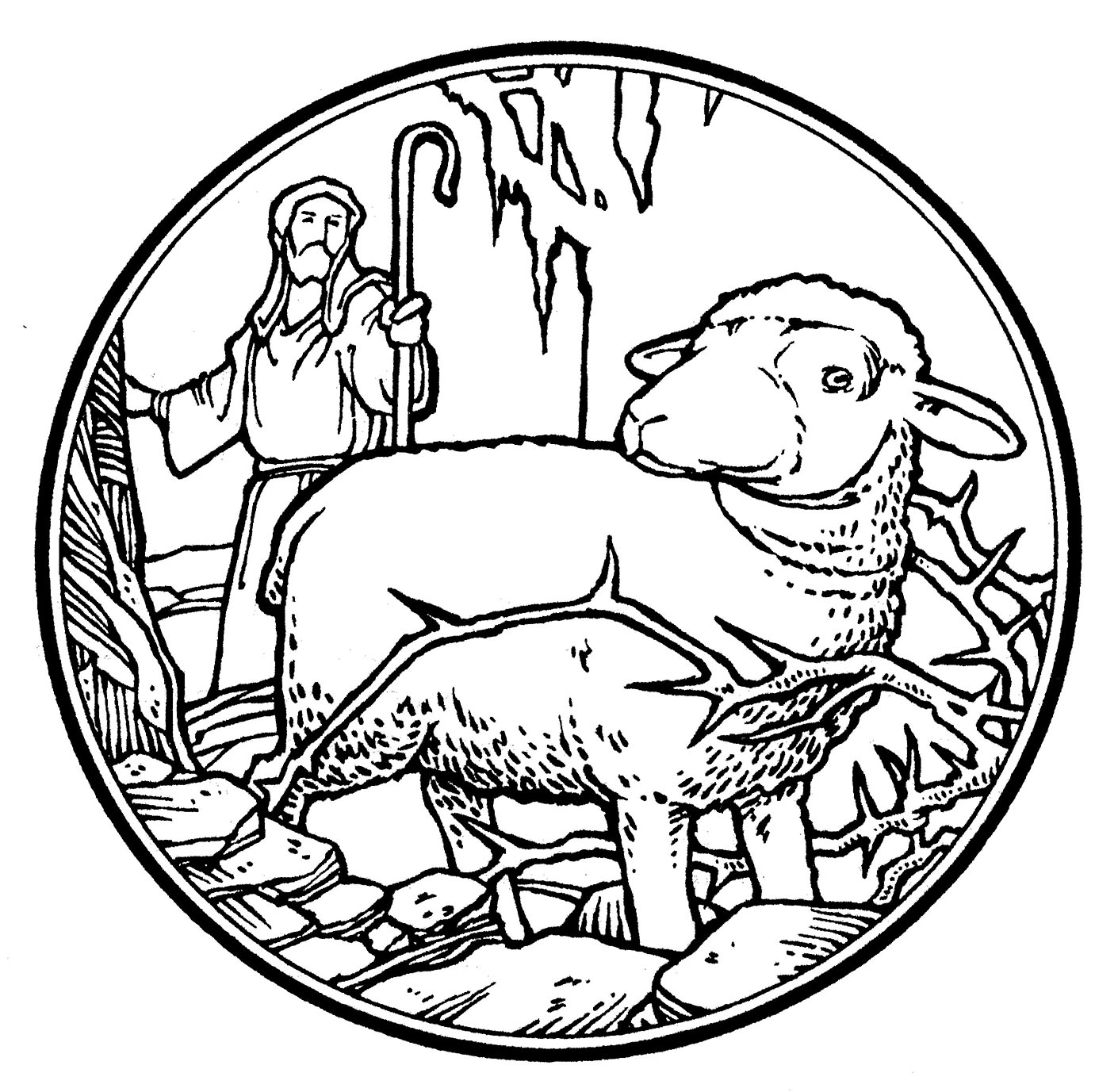
In this morning’s Gospel we heard 2 of 3 parables that Jesus told in Luke 15. Between the first and second parable, Jesus said something very interesting. He said: “there will be more joy in heaven over one sinner who repents than over ninety-nine righteous persons who need no repentance.”
99 to 1. 99 righteous persons versus 1 sinner who repents. A very interesting ratio. Are there so many righteous people as opposed to “sinners”? What did Jesus mean? In the first parable it may seem easy enough to classify the sheep as either lost, meaning they are sinners and outside the flock, on the one hand, or they are found and already members of the flock. Quite often this parable is explained to say that the 99 sheep represent people who are members of the church already and the 1 person is a person who has left the church and so we need to reach out to them. Not a bad idea, but that is not really what Jesus is saying here. That is not really His point at all.
The point that Jesus is making is that there are NO righteous people. The context of His parables is that He is talking to the Scribes and Pharisees. They had been grumbling that Jesus would allow known sinners and tax collectors into His midst, to let them touch Him, that He would heal them, preach to them, and yes even eat with them, in public even!
If fact, this was not even the first time that the Scribes and Pharisees had sneered at Jesus for doing this. Back in Luke 5 when they had grumbled, Jesus had said: “Those who are well have no need of a physician, but those who are sick. I have not come to call the righteous but sinners to repentance.” The point being that the Pharisees and Scribes saw themselves as NOT sinners. They were righteous and not in need of repentance. They were keepers of the Law. Overachievers, in fact, because they had added their own regulations and Laws to the Laws of the Old Testament.
Luke 15 is a section of the Gospels that clearly speaks of the need for repentance. Therefore, when Jesus said: “there will be more joy in heaven over one sinner who repents than over ninety-nine righteous persons who need no repentance.” He didn’t mean that there are 99 righteous people that God doesn’t care about or celebrate because they are righteous already. This was Jesus telling the Pharisees that they could not please God with their works because there are no people who can make themselves righteous according to the Law. None are righteous, no, not one. Except, of course, the parable teller and the one being criticized, Jesus, Himself.
Sinners are in this context not just those “who fall short of the demands of the Law”. That is indeed everybody. No, the sinner over which God and the angels in heaven rejoice over are those sinners who recognize that they are sinners and in need. They cannot help themselves. They are lost. The sheep is lost. The coin is lost. Notice, the Shepherd has to come to where the lost sheep is. The woman of the house has to search where the coin has fallen. But are all the parables in Luke 15 talking about the same repentance? No, each parable tells a different aspect and preaches a further Truth from God about how repentance happens, and how God is working to make that happen so that people can be saved!
The first parable, the parable of the lost sheep is talking about the Good Shepherd, Jesus Christ who is the seeker, finder, and the worker of repentance in people’s hearts. He is the Savior and Good Shepherd who comes from heaven into the world to rescue that which was lost. Jesus Christ desires people’s salvation and He goes to them, finds them, and lifts them upon His shoulders and bares them home. Just as He bares the sin of the world, the anxieties, sufferings, and punishment of all, and especially of those who believe. Taking the sin to the cross to die in our stead. To fight the Satanic lion. But Jesus does not take people against their will who reject Him, but saves those who do not resist the work of the Spirit.
How does His salvation get to us? How do we get saved exactly? How does God overcome the hardness of our hearts? Well the second parable more or less explains that. The woman of the house represents the working of God’s Word, the source of wisdom, who lights a candle in the darkness. This is the light of God’s Word. It is the Truth of God’s Law and His Gospel that shines into the darkness to cause that dark ignorance to scatter. The Holy Spirit uses His Word and Sacraments to preach Jesus Christ crucified and raised for the sins of the world. In this preaching and by this light, the Holy Spirit sweeps clean the guilt, the ignorance, the enmity and hate towards God and humanity that otherwise resides in the bosom of each man and woman. Therefore, the Holy Spirit uses the light and His sweeping to regenerate, to convert, to reveal and uncover the value of the coin, which is the sinner. To reveal to the sinner, that they are a precious person to God and His heavenly Host. In this way the sinner can repent in hope, being moved by the Holy Spirit to see God not as hateful, but as loving.
The third and final parable in Luke 15, the one that follows our Gospel reading today is the Prodigal Son. This parable describes the effect of God’s work in the heart of a sinner who is moved to repentance. They may hear the Word of God, but it may not take effect immediately, but finally, they realize they can hope in nothing else but the grace of their loving Father. That repentance is finally completed in faith: faith in God through Jesus Christ, enjoying the benefits and joyous banquet of sins forgiven, of sinners restored.
So are you of the 99 who believe they are righteous and need not God’s help? Who need no repentance? This is where the Pharisees and hedonists have so much in common. Even though One thinks that they are saved by the works of the Law and the other thinks that they can do whatever they want and are self-righteous in their sinning, both are similar. Both are hypocrites. Remember the word hypocrite literally means “actor”. Both act as though they are fine; that they are better than others in their pride and need no help. They are in fact in the same lost and broken condition. They are outside the kingdom of the true righteous. The true righteous are the repentant ones. The only path to righteousness is by humbling oneself and admitting that you are not righteous at all. By admitting that you have failed this week, this morning, even since the confession of our sins. You have not lived up to the demands of the Law and you have abused and taken for granted the Grace of God.
In our sinful and lost condition, we cry out “Lord have mercy!” Even before we have, Christ Jesus came to earth and died for your sins. The Holy Spirit who has lit the candle of God’s Word and shone the light of faith at your baptism has been hard at work in your conscience. The evidence is that He has brought you again this day to Himself. Christ has born you upon His shoulders here to confess your sins, and unburden yourself upon Him, pleading grace for the sake of Christ’s righteousness and sacrifice at the cross. Hearing then His grace and promise of forgiveness. Responding in prayer and singing. Hearing His voice in the readings, then confessing the faith that the Holy Spirit has given you in the creeds.
You dear friends are of great value to your Savior. Jesus is your Good Shepherd. He has lifted you even now upon His shoulders. He has taken your sin upon Himself. He came and died upon the cross for you. Yes, for the world, but for you. Now you are His beloved redeemed coin, sheep, and child. Rest upon Him. Trust Him and know that as you trust in Him, the threats of Satan cannot harm you. Do not let doubt oppress you, do not let the world sway you to false worship, pride, or shame. No, grasp the cross by faith and find that God is and has been grasping onto you, and therein lies your strength and hope.
He rejoices at your repentance and salvation by God’s mercy and Grace. Now also hope for change in yourself through faith in Him and by the power of His Spirit. He does not cast you off, but instead carries you: here to be refreshed in His body and blood given and shed for you: then throughout this life until He bears you to your eternal home for Jesus Christ’s sake. Amen.
Pr. Aaron Kangas